Women in Politics Across Generations – Different Paths Toward Shared Goals

Women in Politics Across Generations – Different Paths Toward Shared Goals
From the suffragettes of the early 20th century to today’s ministers, MPs, and activists, women in British politics have fought to be heard, respected, and represented. The struggle has evolved over time, but the goal has remained constant: equality, influence, and the right to shape the nation’s future. Each generation has built on the achievements of those before them, while also forging new paths of their own.
The First Steps – The Fight for the Vote and a Voice
At the turn of the 20th century, politics in Britain was a man’s world. Women were excluded from voting, from Parliament, and from most public offices. Yet a determined movement emerged, led by women who refused to accept their exclusion. The suffragettes and suffragists, through protest, persuasion, and perseverance, changed the course of history. Their efforts culminated in 1918, when some women gained the right to vote, and in 1928, when suffrage was extended to all women on equal terms with men.
The first women to enter Parliament, such as Nancy Astor and Margaret Bondfield, faced enormous challenges. They had to prove their competence in a male-dominated environment while also representing women’s perspectives on social reform, education, and family welfare. Their presence began to shift the political conversation, showing that women’s experiences were essential to national policy.
Læs også:



Post-War Generations – From Symbolism to Substance
After the Second World War, more women began to enter politics, though they remained a small minority. Figures like Barbara Castle and Shirley Williams demonstrated that women could be both principled reformers and skilled political operators. They championed issues such as equal pay, social justice, and education reform—causes that would shape Britain’s welfare state and labour rights for decades.
The women’s movement of the 1970s and 1980s brought a new wave of activism and awareness. Feminist voices demanded structural change: equal opportunities in the workplace, maternity rights, and fair representation in decision-making. Women in politics increasingly saw themselves as part of a broader movement for equality, not just as individuals breaking barriers but as agents of systemic transformation.
The Modern Era – New Challenges, New Opportunities
Today, women are an integral part of British political life. The UK has had two female prime ministers, and women hold senior positions across parties and government. Yet the challenges have not disappeared—they have simply changed form. Modern female politicians often face intense scrutiny from the media and online platforms, where appearance, tone, and personal life are judged as harshly as policy positions. Many also experience harassment and abuse, particularly on social media.
At the same time, the digital age has opened new avenues for engagement. Women can now connect directly with voters, build grassroots movements, and support one another across party lines. Campaigns such as #AskHerToStand and initiatives to increase female representation in local councils and Parliament show that the drive for equality continues, adapted to the realities of the 21st century.
Shared Goals, Different Paths
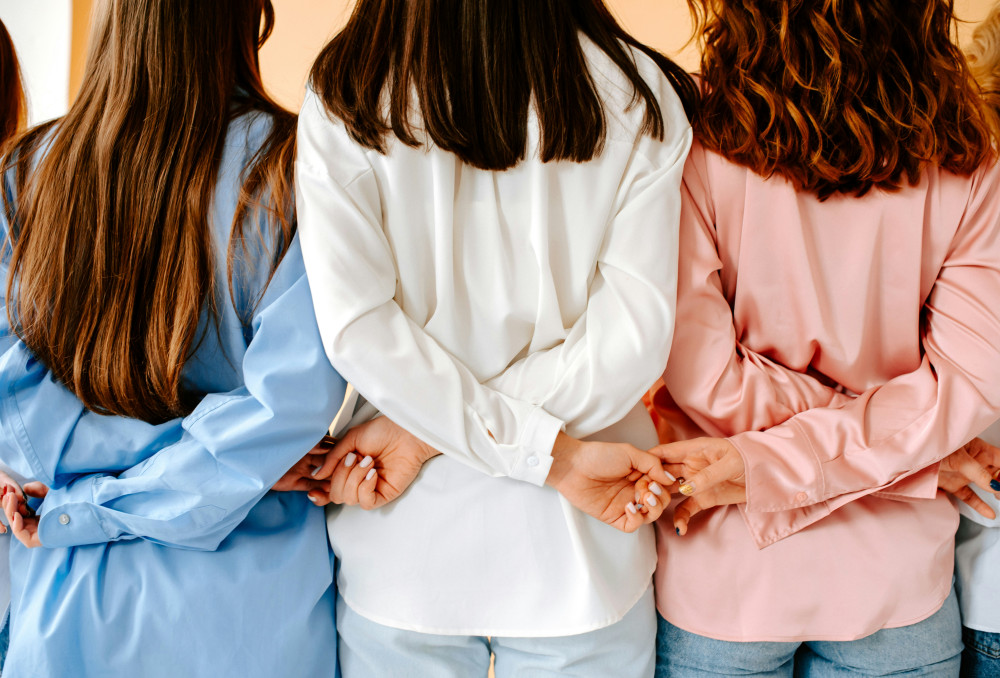
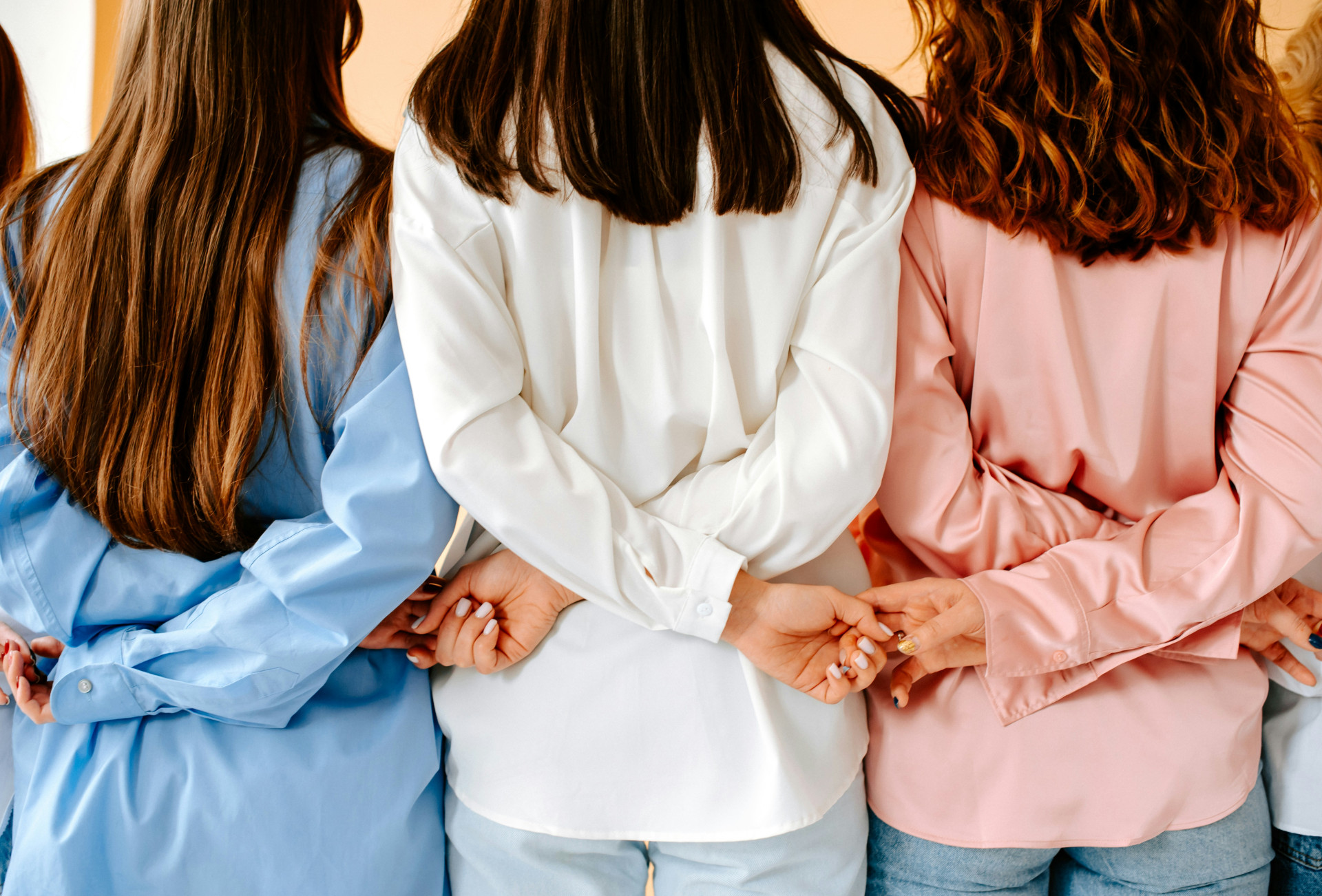
Across generations, women in politics have pursued the same fundamental aim: a fairer, more inclusive society. Some have worked within established institutions, others have challenged them from the outside. Some have focused on traditional equality issues, while others have led on climate policy, economic reform, or foreign affairs—always with an awareness of how political decisions affect everyday lives.
It is this diversity of approach that has made women’s contributions so powerful. They have shown that there is no single way to be a political leader, and that representation is about more than gender—it is about perspective, empathy, and the courage to stand firm in the face of resistance.
The Future – A New Generation Steps Forward
The next generation of women in British politics is growing up in a world that often assumes equality has been achieved, even as inequalities persist. They face new questions: How can politics become more inclusive of all backgrounds and identities? How can digital spaces be made safer for public debate? And how can trust in political leadership be rebuilt in an age of polarisation and misinformation?
If history teaches us anything, it is that progress is never automatic. It requires persistence, solidarity, and the ability to bridge generations. Women in politics have shown that change is possible—not through one single path, but through many different journeys toward a shared goal: a society where every voice truly counts.
Læs også: