Bridal Jewellery Through the Ages: Symbols of Love, Promise and Status


Bridal Jewellery Through the Ages: Symbols of Love, Promise and Status
For centuries, bridal jewellery has been far more than mere decoration. It has served as a symbol of love, commitment and social standing – and as a reflection of the values and aesthetics of its time. From the simple gold bands of ancient civilisations to today’s sustainable and bespoke designs, bridal jewellery tells the story of how people have expressed love and belonging through precious adornments.
From Ancient Vows to Medieval Status
In ancient Egypt and Rome, rings were already used as tokens of promise. The circular shape represented eternity, while materials such as gold or bronze symbolised strength and permanence. Roman brides often received iron rings to signify durability and loyalty, while wealthier citizens displayed their status with gold.
During the Middle Ages, bridal jewellery took on deeper religious and social meaning. The engagement ring became a formal sign of a marriage promise, and gemstones such as sapphires and rubies were chosen to represent fidelity and passion. Jewellery was often part of a dowry, serving as a visible sign of alliances between families and a marker of wealth and influence.
Renaissance Splendour and Baroque Opulence
In the 16th and 17th centuries, bridal jewellery became increasingly elaborate. The Renaissance celebration of beauty and individuality inspired pieces engraved with portraits, mottos and religious symbols. Diamonds, newly cut in innovative ways, became coveted among Europe’s nobility as emblems of prestige.
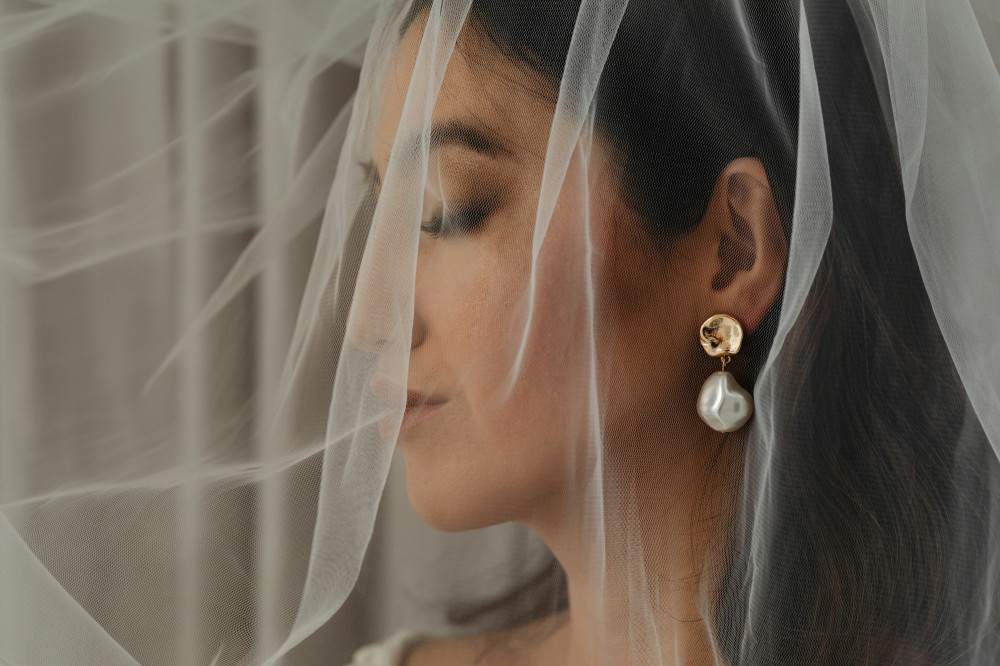
The Baroque era brought even greater extravagance. Brides wore necklaces, earrings and hair ornaments adorned with pearls and gemstones, often heirlooms passed down through generations. These jewels were not only personal treasures but also political statements, showcasing a family’s prosperity and connections.
The 19th Century: Romance and Industrial Progress
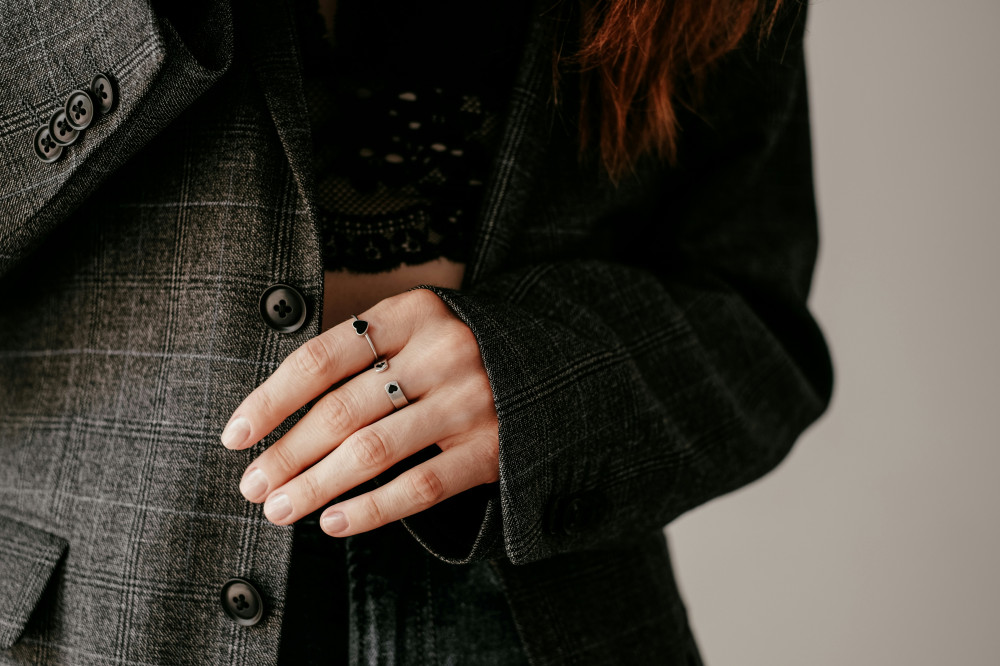
The Victorian era ushered in a new wave of romantic symbolism. Queen Victoria’s own love story profoundly influenced bridal fashion, and her fondness for sentimental jewellery set the tone for the age. Designs featuring hearts, flowers and initials became fashionable, and the diamond engagement ring emerged as the ultimate emblem of devotion.
Industrialisation transformed jewellery-making, making fine pieces more accessible to the growing middle class. New techniques and materials allowed more people to wear jewellery that mirrored aristocratic styles. Bridal jewellery thus became both a declaration of love and a sign of social aspiration.
The 20th Century: Tradition Meets Modernity
The 20th century saw bridal jewellery shaped by both tradition and innovation. The 1920s and 30s embraced the Art Deco aesthetic, with geometric designs and platinum settings, while the post-war years revived the classic diamond solitaire – popularised by a now-iconic advertising campaign that cemented the diamond as a symbol of eternal love.
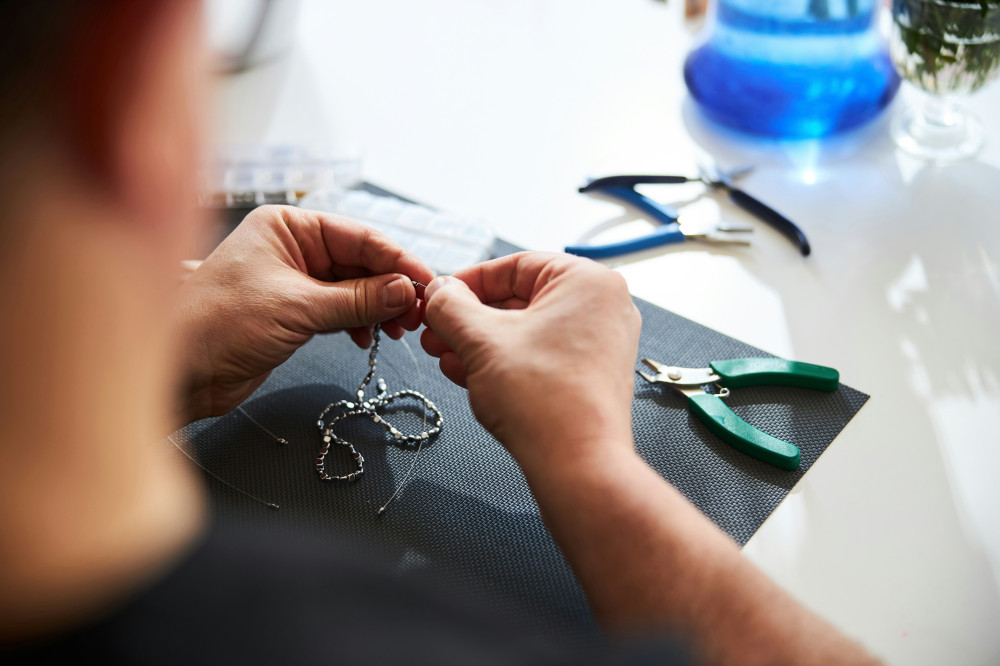
By the 1960s and 70s, individuality took centre stage. Influenced by bohemian and countercultural movements, many couples chose unconventional rings and handmade pieces. Jewellery became a reflection of personal identity rather than social convention.
Contemporary Bridal Jewellery: Personality, Sustainability and Heritage
Today, bridal jewellery is more diverse than ever. Some couples favour timeless diamond rings, while others opt for coloured gemstones, vintage finds or bespoke creations. Sustainability has become a key concern: recycled gold, lab-grown diamonds and ethically sourced materials are increasingly popular choices.
There is also a growing appreciation for heirlooms and jewellery with personal stories. A pendant from a grandmother or a redesigned family ring carries emotional depth that no new purchase can replicate. These pieces connect generations and add layers of meaning to the wedding day.
Læs også:
Jewellery as a Story of Love and Identity
Across centuries and cultures, bridal jewellery has always told a story – of love, promise and identity. While styles and materials have evolved, the symbolism remains constant: a piece of jewellery as an enduring sign of affection, unity and the timeless human desire to celebrate love.
Læs også: