The menstrual cycle as a mirror of your reproductive health

The menstrual cycle as a mirror of your reproductive health
Your menstrual cycle is more than a monthly reminder that your body is functioning — it’s a reflection of your hormonal balance, overall wellbeing, and reproductive health. By learning to read the signals your cycle sends, you can spot imbalances early and support your body through its natural rhythm.
A cycle in four phases
A typical menstrual cycle lasts between 24 and 35 days and can be divided into four phases, each offering insight into how your body is doing.
- Menstrual phase (days 1–5): Bleeding marks the start of a new cycle. A regular flow without extreme pain suggests that the womb lining is shedding normally. Very heavy bleeding, large clots, or severe cramps may indicate hormonal imbalance, fibroids, or endometriosis.
- Follicular phase (days 6–13): The egg matures and oestrogen levels rise. You may feel more energetic and focused. Persistent fatigue or low motivation during this phase can point to low oestrogen or nutrient deficiencies.
- Ovulation phase (around day 14): The body releases an egg, and many notice increased libido, clearer cervical fluid, and a slight rise in body temperature. If ovulation is irregular or absent, it could be linked to stress, polycystic ovary syndrome (PCOS), or low body weight.
- Luteal phase (days 15–28): After ovulation, progesterone levels rise, promoting calm and stability. If you experience mood swings, bloating, or sleep issues, it may signal low progesterone or high stress hormones.
Understanding these phases helps explain why your energy, mood, and body change throughout the month — and when something feels “off”.
What your cycle can tell you
Your menstrual cycle acts as a barometer for your general health. Small variations are normal, but persistent changes deserve attention.
- Irregular cycles may be caused by stress, weight changes, thyroid issues, or hormonal conditions such as PCOS.
- Heavy bleeding can point to iron deficiency, fibroids, or an imbalance between oestrogen and progesterone.
- Very light or absent periods may suggest low oestrogen, over-exercising, or undernourishment.
- Painful periods can be linked to endometriosis or pelvic inflammation.
Keeping a cycle diary — on paper or in an app — can help you notice patterns and act early if something changes.
Lifestyle and your cycle
Diet, sleep, exercise, and stress all play a major role in hormonal balance. A stable cycle depends on your body feeling safe and well-nourished.
- Eat regularly and include variety. Protein, healthy fats, and complex carbohydrates support hormone production.
- Prioritise sleep. Hormone regulation happens largely at night, and too little sleep can disrupt ovulation and menstruation.
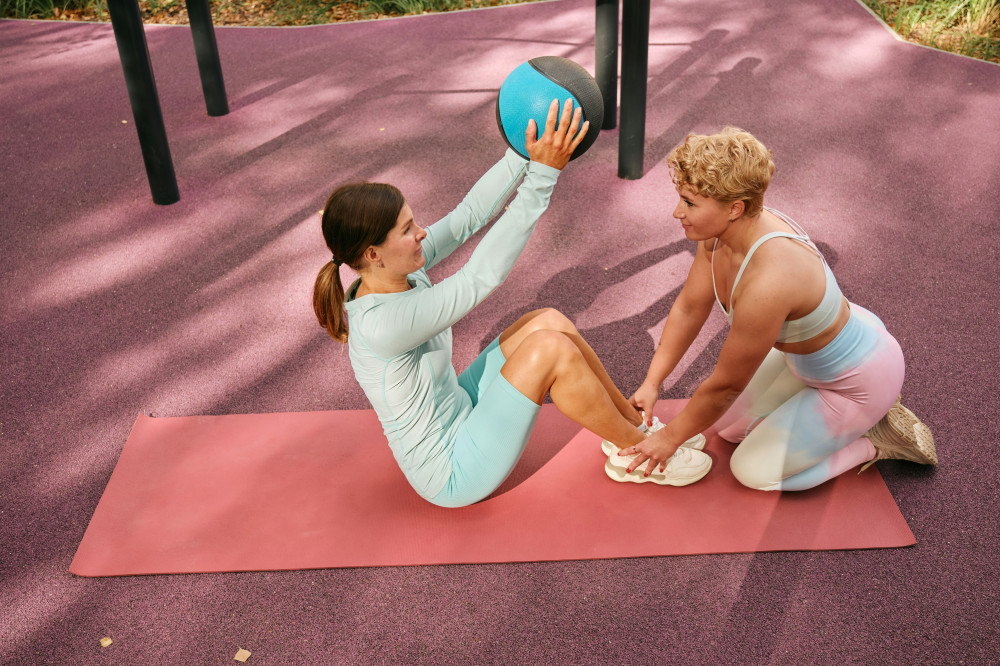
- Move your body moderately. Exercise supports circulation in the pelvic area, but excessive training can suppress ovulation.
- Manage stress. Chronic stress raises cortisol, which can interfere with the hormones that regulate your cycle.
Small lifestyle adjustments — such as taking breaks, eating balanced meals, and spending time outdoors — can make a noticeable difference.
When to seek medical advice
While some variation is normal, it’s important to seek help if you experience:
- Cycles shorter than 21 days or longer than 35 days
- Very heavy or painful bleeding
- No period for more than three months (and not pregnant)
- Ongoing mood changes, fatigue, or pelvic pain
Your GP or gynaecologist can help identify the cause and suggest treatment or lifestyle changes. The sooner you act, the easier it is to restore balance.
Læs også:


Knowing your cycle – a tool for wellbeing
Understanding your menstrual cycle isn’t just about fertility; it’s about knowing your body. When you recognise what’s normal for you, it becomes easier to notice when something changes — and to take care of your reproductive health in time.
Your period isn’t simply an inconvenience; it’s a message from your body. By listening to it, you can strengthen both your physical and emotional wellbeing — and gain a clearer picture of how your body truly feels.
Læs også: