When the Scales Stop Moving: How to Stay Motivated


When the Scales Stop Moving: How to Stay Motivated
You’ve been eating well, exercising regularly, and sticking to your plan – but suddenly, the number on the scales refuses to budge. It can feel discouraging, especially when you’re doing everything “right”. But weight loss is rarely a straight line. Your body adapts, and fluctuations are completely normal. Here’s how to understand what’s happening and keep your motivation strong when progress seems to stall.
Understand Your Body’s Natural Fluctuations
First things first: it’s perfectly normal for your weight to plateau from time to time. Your body responds to changes in diet and activity by adjusting metabolism, water balance, and hormone levels.
Small changes of 1–4 pounds can be caused by:
- Water retention after salty or carbohydrate-rich meals.
- Hormonal changes, such as those linked to the menstrual cycle.
- Muscle gain, since muscle weighs more than fat but takes up less space.
That’s why the scales only tell part of the story. Track your progress in other ways too – how your clothes fit, your energy levels, or your strength in the gym. These are often better indicators of real progress.
Focus on the Process, Not Just the Result
When the scales stop moving, it’s easy to lose heart. But motivation grows when you shift your focus from the number to the habits you’ve built.
Ask yourself:
- Do I have more energy during the day?
- Am I sleeping better?
- Have I developed a more consistent routine around food and exercise?
These are all signs that you’re moving in the right direction, even if the scales don’t show it yet. Remember, health is about the bigger picture – not just your weight.
Adjust – But Don’t Overreact
If your weight has stayed the same for several weeks, it might be time for small adjustments. That doesn’t mean starting over or cutting calories drastically. Often, small tweaks make the biggest difference.
Try:
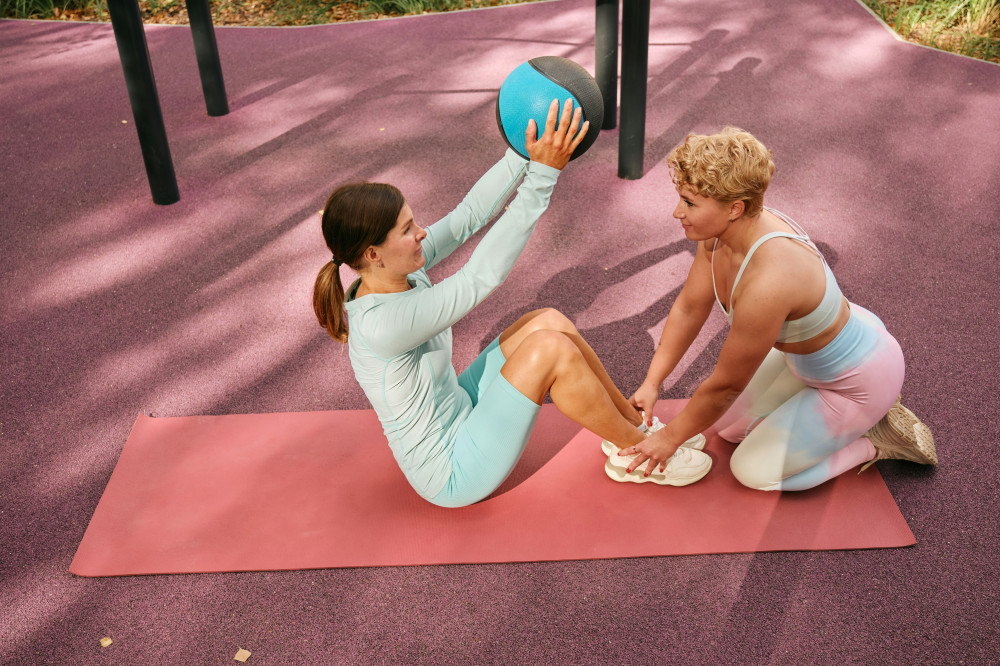
- Adding more movement to your day – take a brisk walk, use the stairs, or include a short strength session.
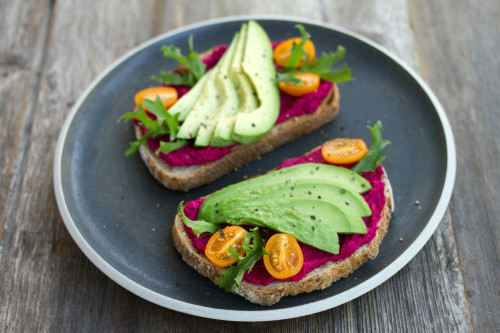
- Eating more protein and vegetables, which help you feel full and support your metabolism.
- Getting enough sleep, as lack of rest can affect both appetite and energy levels.
Give your body time to respond. The key is consistency, not perfection.
Find Your Inner Motivation
Motivation based solely on the number on the scales rarely lasts. Instead, connect with your inner motivation – the reasons that truly matter to you. Maybe it’s about feeling stronger, having more energy for your family, or improving your long-term health.
Write down your reasons and revisit them when your enthusiasm dips. Reminding yourself why you started can help you stay on track, even when progress feels slow.
Læs også:



Seek Support and Community
You don’t have to do it alone. Sharing your journey with others can make a huge difference. Talk to a friend who understands, or join a local fitness group or online community where you can exchange experiences and encouragement.
If you feel stuck, consider speaking with a nutritionist or personal trainer who can review your plan and offer fresh ideas. Sometimes an outside perspective is all it takes to move forward.
Remember: Pauses Are Part of Progress
Weight loss isn’t a sprint – it’s a marathon. Periods where the scales don’t move aren’t wasted time; they’re part of the process. Your body needs time to adjust, and it’s during these quieter phases that your new habits become part of your everyday life.
So rather than seeing a plateau as a setback, view it as a sign that your body is adapting and strengthening.
It’s About Lifestyle, Not Numbers
When the scales stand still, it’s easy to forget why you began. But health isn’t just about losing weight – it’s about living well. If you’re eating a balanced diet, staying active, and feeling good in your body, you’re already succeeding.
The scales will catch up when your body is ready. Until then, be patient, be kind to yourself – and remember that motivation grows when you focus on everything you’ve already achieved.
Læs også: